Early 20th-century Tuscany (1904–1913)
The Heat Beneath
In 1904, an Italian prince lit five light bulbs with steam from the earth. A century later, we finally figured out how to reach the rest.
Every day, we find the historical story hiding inside the headlines. Riveting narratives that connect the past to the present, and make you wonder what happens next.
You'll receive one email per topic, per day. Pick as many as you like.
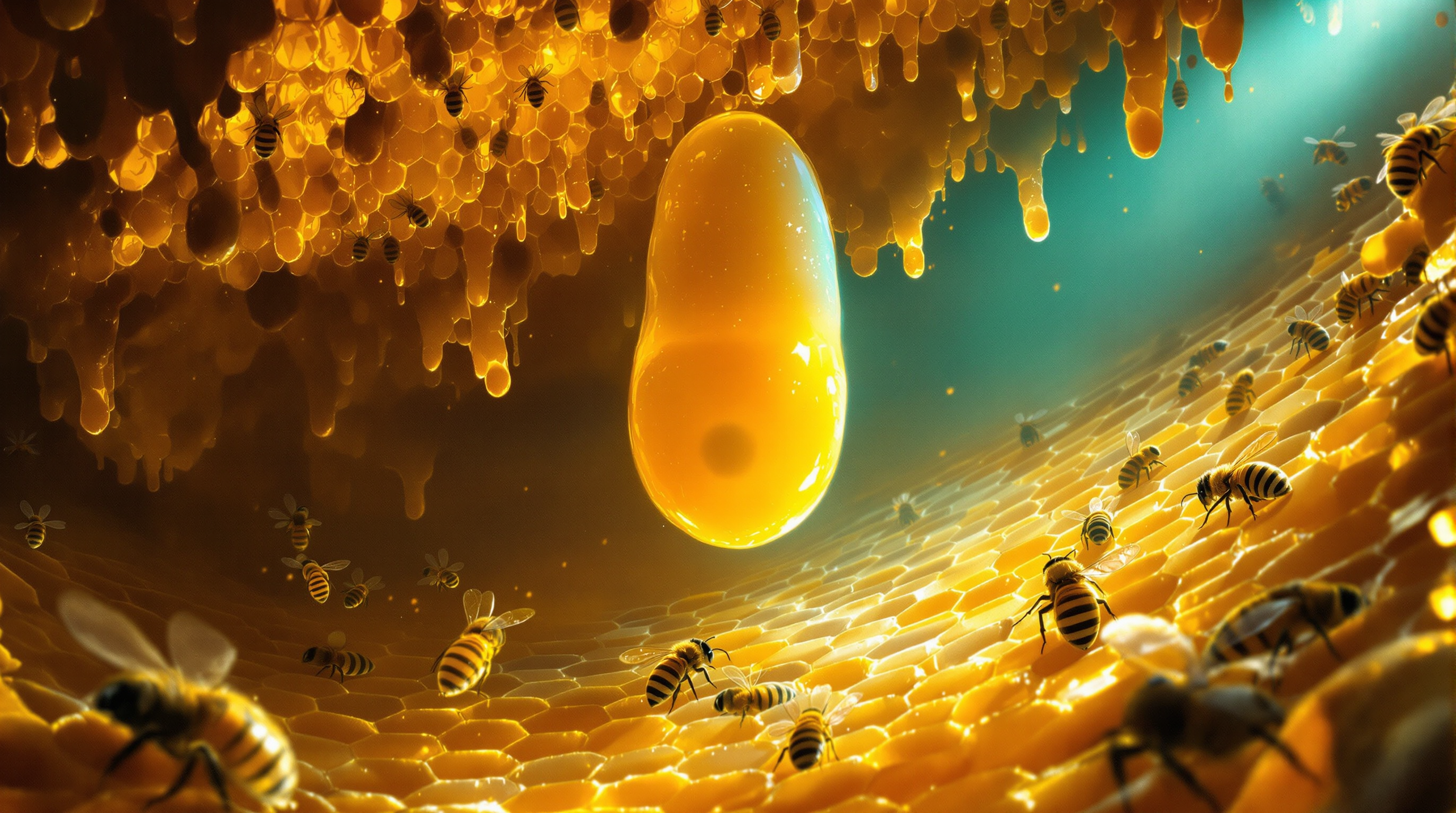
Queen and worker bees hatch from identical eggs, yet one lives for years and lays a million eggs while the others live for weeks and never breed. For a century the textbook answer was a single food: royal jelly. In 2026 a team at UC Riverside showed the real answer is grander. Specialised worker bees build the queen a palace: a peanut-shaped 'royal crib' of custom wax with its own chemistry, and they cluster to keep it warm. Raise a would-be queen in ordinary wax instead and she develops poorly and often dies. The jelly feeds her; the crib crowns her. We love a story with one secret ingredient. Nature almost never works that way.
In 1904, an Italian prince lit five light bulbs with steam from the earth. A century later, we finally figured out how to reach the rest.
China had the world's most advanced navy. Then it chose to forget. Fifty-nine years later, someone else took the sea.
A Paris metals baron tried to own the electrical age. What broke him should unsettle everyone cornering the AI grid.
In 1956 IBM put a checkers-playing machine on television. In 2025 a Tokyo lab got an AI-written paper through peer review. Both moments were overhyped, and both mattered anyway.
In 1924, a young anatomist in South Africa pulled a small fossilised skull from a box of rocks. It would take thirty years for the world to believe what it meant.
In 1984, a young Australian doctor was so certain the medical establishment was wrong about stomach ulcers that he infected himself to prove it. He was right -- and it took 21 years to get the Nobel Prize.